


Toyota Kirloskar Motor has officially entered India’s electric vehicle market with the launch of the Toyota Urban Cruiser Ebella, marking a historic milestone as the company’s first fully electric SUV in the country. Unveiled on January 20, 2026, this midsize electric SUV represents Toyota’s commitment to sustainable mobility and positions the brand to compete in India’s rapidly growing EV segment.
Developed in partnership with Maruti Suzuki, the Urban Cruiser Ebella shares its platform with the e Vitara but features distinctive styling and premium features that set it apart. With bookings now open at Rs 25,000, this electric SUV promises to reshape Toyota’s portfolio in India while offering an environmentally friendly alternative to traditional vehicles.
Launch Timeline and Availability
The Toyota Urban Cruiser Ebella was unveiled on January 20, 2026, with bookings opening the same day at dealerships nationwide for a deposit of Rs 25,000. The full launch is scheduled for February 2026, with deliveries expected to begin shortly thereafter. The vehicle will be manufactured at Suzuki’s Gujarat plant and distributed through Toyota’s extensive dealer network across India.
Price Range in India and Nepal
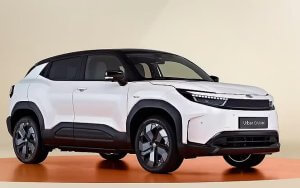
India Pricing:
While Toyota has not yet announced official variant-wise pricing, industry experts estimate the following price range:
- Base E1 Variant: Rs 18-20 lakh (ex-showroom)
- Mid E2 Variant: Rs 20-22 lakh (ex-showroom)
- Top E3 Variant: Rs 22-25 lakh (ex-showroom)
The starting price is expected to be around Rs 18-25 lakh (ex-showroom), positioning the Ebella as a competitive option in the midsize electric SUV segment.
Nepal Pricing:
Given Nepal’s import duty structure and market positioning, the Toyota Urban Cruiser Ebella is expected to be priced significantly higher in Nepal:
- Base E1 Variant: NPR 45-50 lakh (approximately Rs 28-31 lakh)
- Mid E2 Variant: NPR 50-55 lakh (approximately Rs 31-34 lakh)
- Top E3 Variant: NPR 55-60 lakh (approximately Rs 34-37.5 lakh)
The higher pricing in Nepal reflects import costs, logistics, and market positioning as a premium Japanese brand. Despite favorable EV tax policies, the Ebella will compete in the premium segment against both Chinese EVs and other established brands.
Design and Styling
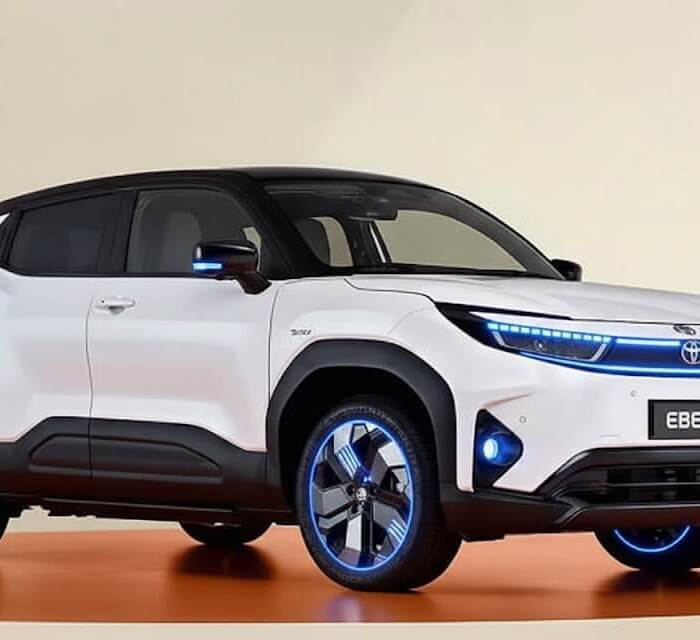
The Toyota Urban Cruiser Ebella features Toyota’s signature “Hammerhead” design philosophy, creating a unique and modern appearance. Key exterior highlights include sharp triangular LED headlights with segmented DRLs, a smooth closed-off grille for improved aerodynamic efficiency, 18-inch aero-optimized alloy wheels, and segmented LED tail lamps arranged in parallel lines.
The vehicle measures 4,285 mm in length, 1,800 mm in width, and 1,640 mm in height, with a 2,700 mm wheelbase that provides excellent cabin space. The charging port is conveniently located on the front left fender with a ‘BEV’ badge, while flush door handles and rear door handles positioned in the C-pillar add to the sporty appearance.
Interior Features and Technology
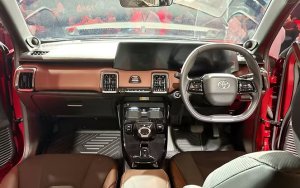
The Toyota Urban Cruiser Ebella features a dual-tone brown and black cabin with silver highlights throughout. Standard features across all variants include a 10.25-inch digital instrument cluster, 10.1-inch touchscreen infotainment system with wireless Apple CarPlay and Android Auto, automatic climate control with rear AC vents, and a JBL premium audio system.
The innovative 40:20:40 split, sliding and reclining rear seats allow passengers to adjust legroom and cargo space according to their needs. Additional comfort features include wireless phone charging, 12-color ambient lighting options, and a modern two-spoke steering wheel with mounted controls.
The premium E3 variant adds ventilated front seats, powered driver’s seat, leatherette upholstery, panoramic sunroof, 360-degree camera, Level 2 ADAS features, and an enhanced sound system with tweeters and subwoofer.
Battery Options and Performance Specifications
The Toyota Urban Cruiser Ebella offers two Lithium Iron Phosphate (LFP) battery pack options designed to meet different driving needs:
49 kWh Battery Pack (E1 Variant):
- Motor Power: 144 HP with 189 Nm torque
- ARAI Certified Range: 440 kilometers on a single charge
- Best For: Daily city commuting and short-distance travel
- Drivetrain: Front-wheel drive (FWD)
61 kWh Battery Pack (E2 & E3 Variants):
- Motor Power: 174 HP with 189 Nm torque
- ARAI Certified Range: Up to 543 km on a single charge
- Best For: Long-distance travel and highway driving
- Drivetrain: Front-wheel drive (FWD)
Both variants feature a single electric motor setup with a liquid cooling system for optimal battery performance in Indian conditions and a regenerative braking system that recovers energy during deceleration.
Charging Time and Infrastructure

DC Fast Charging:
Using public DC fast chargers (typically 40-150 kW), the battery can charge from 0 to 80% in approximately 30-45 minutes, making it ideal for highway travel and quick top-ups during long journeys.
AC Charging:
Standard home charging using the 6.6 kW onboard charger takes 7-9 hours for a full charge, perfect for convenient overnight charging at home.
Toyota has partnered with ChargeZone and Jio BP to ensure easier access to public AC and DC charging facilities across India, providing peace of mind for long-distance travel.
Safety Features
Safety is a top priority in the Urban Cruiser Ebella. Standard safety equipment across all variants includes seven airbags, disc brakes on all four wheels, high-tensile steel body structure, Electronic Stability Program (ESP), Traction Control System (TCS), Electronic Parking Brake with Auto Hold, Hill Hold Control, and an Acoustic Vehicle Alert System (AVAS) for pedestrian safety.
The premium E3 variant adds advanced safety features including a 360-degree camera for easy parking, front parking sensors, and a comprehensive Level 2 ADAS suite with Adaptive Cruise Control, Lane Keep Assist, Automatic Emergency Braking, Blind Spot Monitoring, and Rear Cross-Traffic Alert.
Ownership Benefits
Toyota is offering comprehensive ownership benefits to make the transition to electric mobility seamless. The package includes an 8-year battery warranty for peace of mind, over 500 EV-enabled service touchpoints with 2,500 trained EV mechanics across India, and a streamlined 45-minute scheduled maintenance process.
Additionally, Toyota offers an innovative Battery-as-a-Service (BaaS) rental programme, allowing customers to purchase the vehicle at a reduced upfront cost while leasing the battery separately. This reduces initial investment and transfers battery degradation risk to Toyota. A 60 percent buyback assurance scheme provides guaranteed resale value, making the Ebella a smart long-term investment.
Impact on the Nepali Market
Nepal has emerged as one of the world’s most dynamic electric vehicle markets, making it crucial for the Toyota Urban Cruiser Ebella’s regional success.
Nepal’s EV Success Story:
In 2024, over 70% of new four-wheeled passenger vehicles sold in Nepal were battery-powered electric vehicles. In the first four months of fiscal year 2024/25, 3,487 EVs worth NPR 8.37 billion were imported. The number of charging stations has grown from fewer than 50 in 2020 to approximately 1,250-1,500 nationwide by mid-2025.
This remarkable growth has been driven by government policy support, with electric vehicles benefiting from sharply reduced import duties—typically around 10% compared with up to 238% for internal combustion engine vehicles. Nepal aims that by 2030, 90% of private passenger vehicle sales and 60% of public transport vehicle sales will be electric.
Expected Launch Timeline in Nepal:
Given the strong trade relationship between India and Nepal, the Toyota Urban Cruiser Ebella is expected to launch in Nepal within 3-6 months after the Indian launch, likely by mid-2026. Toyota’s established dealer network in Nepal and the existing charging infrastructure make this timeline realistic.
Market Positioning in Nepal:
At an estimated starting price of NPR 45 lakh and going up to NPR 60 lakh, the Ebella will position itself as a premium offering in Nepal’s EV market. This pricing places it above many Chinese EV brands but positions it as a quality alternative for buyers seeking Japanese reliability and build quality.
Key Opportunities:
Established Infrastructure: With over 1,250 charging stations already operational across Nepal, range anxiety is significantly reduced. The Ebella’s 543 km range on the top variant means drivers can travel from Kathmandu to most major cities on a single charge.
Renewable Energy Advantage: Nepal’s abundant hydroelectric power means vehicles charge using clean, renewable energy. The country eliminated load shedding in 2018, ensuring reliable electricity for charging. This aligns perfectly with the Ebella’s zero-emission promise.
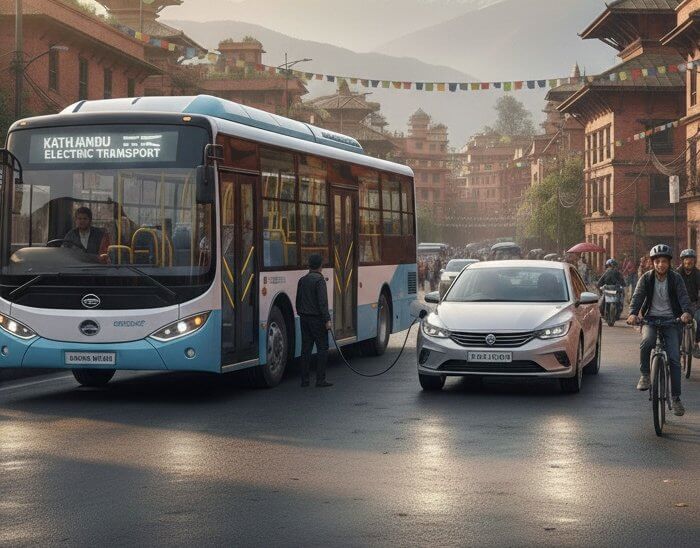
Air Quality Crisis: Nepal’s capital, Kathmandu, ranks among the world’s most polluted cities, with fine particle pollution often measured 10 to 20 times higher than World Health Organization safety guidelines. EVs like the Ebella offer a practical solution to this crisis.
Brand Trust: Toyota’s reputation for reliability and durability resonates strongly with Nepali consumers. The company’s commitment to after-sales service and the 8-year battery warranty could justify premium pricing over Chinese alternatives.
Terrain Suitability: The Ebella’s robust build quality and adequate ground clearance make it well-suited for Nepal’s challenging terrain, including mountain roads and unpaved rural routes.
Challenges in Nepal:
Price Sensitivity: At NPR 45-60 lakh, the Ebella will compete in the premium segment. Recent tax reforms and reduced bank financing (from 90% to 60% loan-to-value ratio) have made premium EVs less accessible to middle-income buyers.
Chinese Competition: Chinese EVs dominate Nepal’s market, accounting for 76.4% of total EV imports in FY 2023/24. Brands like BYD, Changan, and Great Wall Motors offer competitive features at lower prices. The BYD Atto 3, for instance, offers extended range and power with SUV-like ground clearance at a more accessible price point.
Infrastructure Gaps: While urban areas have good charging coverage, rural and remote mountainous regions still lack adequate infrastructure, potentially limiting the Ebella’s appeal outside major cities like Kathmandu, Pokhara, and Birgunj.
Long-term Concerns: Battery replacement costs and e-waste management remain concerns for Nepali consumers considering the total cost of ownership over 8-10 years.
Strategic Advantages for Toyota:
Despite these challenges, Toyota has several strategic advantages. The company can establish dedicated EV service centers in major Nepali cities, leverage Nepal’s hydropower synergy in sustainability messaging, and capitalize on its legacy of durability and low maintenance costs. The 8-year battery warranty and BaaS option directly address long-term ownership concerns.
Environmental and Economic Benefits
The Toyota Urban Cruiser Ebella delivers significant environmental and economic advantages for both Indian and Nepali markets. With zero tailpipe emissions, it helps reduce urban air pollution significantly. When charged using renewable energy like Nepal’s hydropower or India’s expanding solar capacity, the carbon footprint is minimal.
Economically, charging an EV costs approximately one-tenth of refueling a gasoline vehicle. The Ebella also reduces dependence on expensive imported petroleum—crucial for Nepal, which spent over $2.5 billion on petroleum imports in fiscal year 2022-23. Lower maintenance costs due to fewer moving parts and eligibility for government incentives make the total cost of ownership attractive.
Conclusion
The Toyota Urban Cruiser Ebella represents a significant milestone in Toyota’s electrification journey and offers consumers in India and Nepal a compelling premium electric SUV option. With an impressive 543 km range, comprehensive safety features, and Toyota’s legendary reliability, the Ebella is well-positioned to compete in the growing South Asian EV market.
For Indian buyers, the expected February 2026 launch at Rs 18-25 lakh provides an exciting new choice in the midsize electric SUV segment. For Nepali consumers, the subsequent mid-2026 launch at NPR 45-60 lakh offers an opportunity to experience Toyota’s electric innovation in one of the world’s most progressive EV markets.
Despite facing competition from Chinese brands and price-sensitive market conditions, the Ebella’s combination of Toyota quality, comprehensive warranty, advanced technology, and suitability for diverse terrain gives it strong potential. As both nations accelerate their transitions toward sustainable transportation, the Toyota Urban Cruiser Ebella stands ready to play a meaningful role in reducing emissions, improving air quality, and offering consumers a practical, reliable, and economical electric mobility solution.



 Green : This color on the map means the charging station has both CCS and GBT chargers available. It indicates a versatile station that supports multiple fast-charging standards.
 Red : This color shows that the charging station has only CCS chargers. Look for this if you need a CCS-compatible electric vehicle.
 White : This color indicates that the charging station has only AC chargers. It’s ideal for slower charging options, often found at standard stations.
 Blue : This color marks a charging station that has only GBT chargers. It’s commonly used in regions where GBT is the standard.
 Black : This color represents a charging station with only 15A Plug chargers. These are typically for basic, low-power charging needs.
